Ferritin Quantitative Test

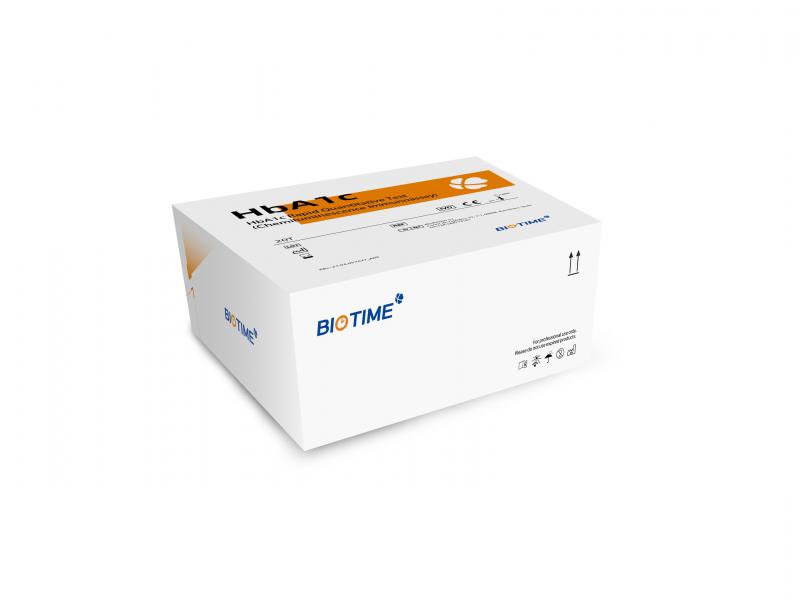
HbA1c Rapid Quantitative Test (Chemiluminescence Immunoassay)

HbA1c Rapid Quantitative Test (Chemiluminescence Immunoassay) is used for in vitro quantitative detection of the Glycated hemoglobin A1c (HbA1c) concentration in human whole blood that contains EDTA or without anticoagulants samples, mainly used for the supervising of long-term glycemic control in diabetic individuals and auxiliary diagnosis of diabetes and identify patients at risk of diabetes.

Product Detail

Application

HbA1c is a product of the non-enzymatic chemical reaction between glucose and the N-terminus of the hemoglobin protein's β-chain (valine) amino groups. From a molecular biology perspective, HbA1c belongs to a diverse group of molecules termed advanced glycation end-products (AGEs).


In both diabetic and non-diabetic individuals, the relative levels of HbA1c reflect the duration and severity of hyperglycemic episodes, as well as the overall exposure to extracellular glucose present in the circulation. HbA1c levels, at varying cut-offs, have been developed as biomarkers for both the diagnosis of diabetes and the assessment of chronic glycemic control.


HbA1c reflects the average plasma glucose concentration over the previous 8 to 12 weeks. It can be measured at any time of the day and does not require special preparation, such as fasting. These properties have made HbA1c the preferred test for assessing glycemic control in people with diabetes.


More recently, there has been substantial interest in using HbA1c as a diagnostic test for diabetes and as a screening test for individuals at high risk of developing the condition. The use of HbA1c can avoid the problem of day-to-day variability in glucose values and eliminates the need for fasting and preceding dietary preparations. These advantages have important implications for the early identification and treatment of diabetes, which have been strongly advocated in recent years.


A persistently elevated level of HbA1c increases the risk of various vascular complications, such as coronary disease, heart attack, stroke, heart failure, kidney failure, blindness, erectile dysfunction, neuropathy, gangrene, gastroparesis, and short-term complications of surgery, including poor wound healing.


Product Specification

Sample Volume

WB: 10μL

Test Time

15 mins

Measuring Range

4.2-20%

Pack

20T40T100T

Storage

2~30


Features

Smart - Photosensitive and Luminescent Microspheres

Rapid - Whole Blood Sample Type Supported & No Centrifuge Needed

Convenient - Room Temperature Storage & Minimal sample consumption


Clinical significance

Diagnosis and Monitoring of Diabetes

Assessment of Long-Term Blood Glucose Control

Cardiovascular Risk Assessment

Medication Adjustment and Treatment Planning

Screening for Prediabetes

Leave A Message

Please provide us with the information below, and we'll contact you as soon as possible.
Related Products
C-peptide Rapid Quantitative Test (Chemiluminescence Immunoassay)
C-peptide Rapid Quantitative Test (Chemiluminescence Immunoassay) is used for in vitro quantitative detection of the C-peptide concentration in human serum and plasma that contains heparin /EDTA and other anticoagulants samples, mainly used for auxiliary diagnosis of diabetes diseases.
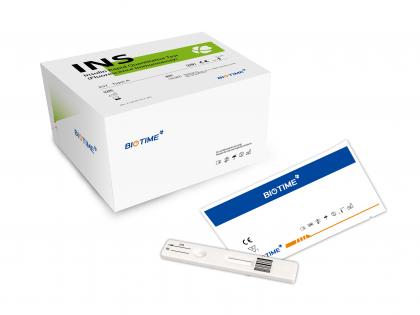
INS Rapid Quantitative Test (Chemiluminescence Immunoassay)
INS Rapid Quantitative Test (Chemiluminescence Immunoassay) is used for in vitro quantitative detection of the Insulin (INS) concentration in human serum, plasma that contains heparin /EDTA and other anticoagulants samples, mainly used for auxiliary diagnosis of diabetes diseases.
SAA Rapid Quantitative Test (Chemiluminescence Immunoassay)
SAA Rapid Quantitative Test (Chemiluminescence Immunoassay) is used for in vitro quantitative detection of the Serum amyloid A (SAA) concentration in human serum, plasma that contains heparin /EDTA and other anticoagulants and venous whole blood samples, mainly used for auxiliary diagnosis of inflammation diseases.
Covid-19 Test
COVID-19 Ag & Flu A/B Combo Self Test
COVID-19 Ag & Flu A/B Combo Self Test is a colloidal gold immunochromatography intended for the in vitro rapid, simultaneous qualitative detection and differentiation of N protein from SARS-CoV-2, influenza A and influenza B directly from nasal swab specimens obtained from individuals, who are suspected of COVID-19, influenza A or influenza B infection. Results are for the simultaneous identification of N protein of SARS-CoV-2, influenza A and influenza B.
Biotime Total IgE Rapid Quantitative Test
Total IgE Rapid Quantitative Test
Immunoglobulin E (IgE) is a type of antibody (or immunoglobulin (Ig)"isotype") that has only been found in mammals. IgE is synthesised by plasma cells. IgE's main function is immunity to parasites such as helminths like Schistosoma mansoni, Trichinella spiralis, and Fasciola hepatica. Total IgE is utilized during immune defense against certain protozoan parasites such as Plasmodium falciparum. Total IgE may have evolved as a last line of defense to protect against venoms.
biotime NGAL Rapid Quantitative Test
NGAL Rapid Quantitative Test
NGAL (neutrophil gelatinase-associated lipocalin, lipocalin-2, sidero- calin) is a novel biomarker for diagnosing acute kidney injury (AKI). Under normal conditions NGAL levels are low in urine and plasma Still, they rise sharply from basal levels in response to kidney injury to reach diagnostic levels within a very short time - as much as 24 hours or more before any significant rise in serum creatinine.
Chemiluminescence Immunoassay
CLi-1600
CLi-1600 semi-automated device which quantifies biomarkers for thyroid disease, inflammation, cardiac diseases, fertility, diabetes, bone metabolism, anemia, and health check by analyzing human serum, plasma and whole blood.
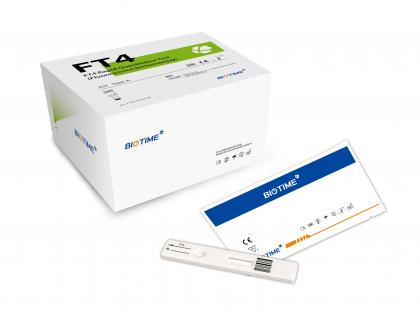
Biotime fT4 Rapid Quantitative Test
fT4 Rapid Quantitative Test
Thyroxine (T4) is the main thyroid hormone secreted into the bloodstream by the thyroid gland. Together with triiodothyronine (T3) it plays a vital role in regulating the body's metabolic rate, influences the cardiovascular system, growth and bone metabolism, and is important for normal development of gonadal functions and nervous system.
Leave A Message

Leave A Message

    Please provide us with the information below, and we'll contact you as soon as possible.
Home

products

about

contact