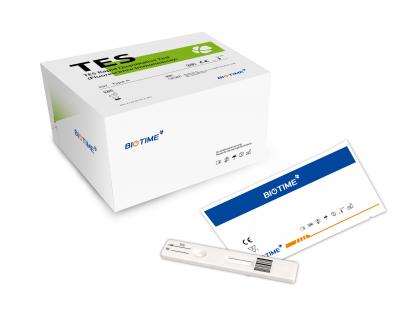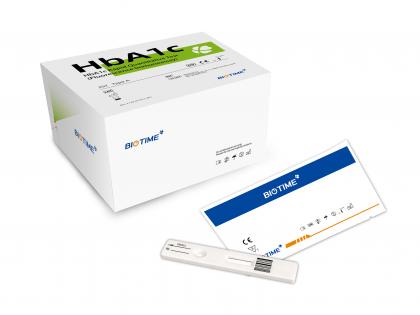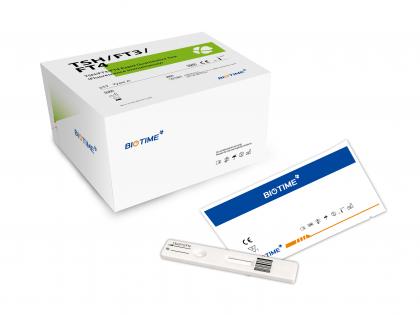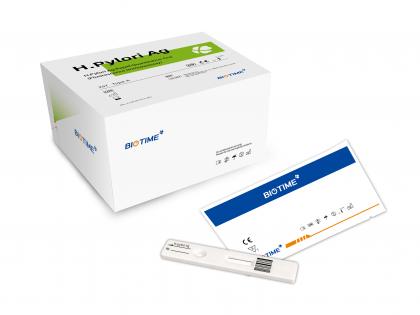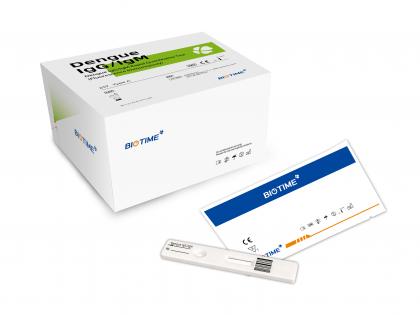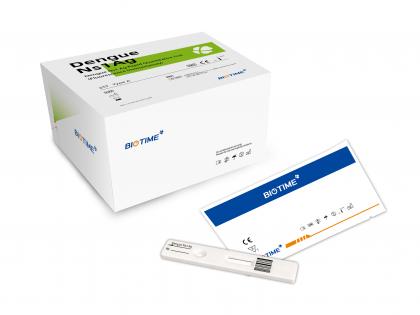
Ferritin Quantitative Test

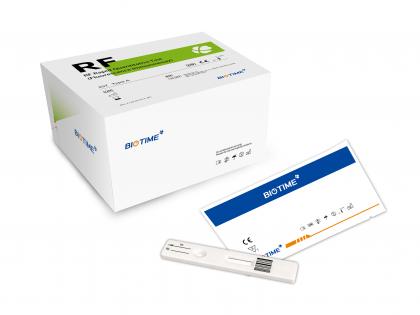
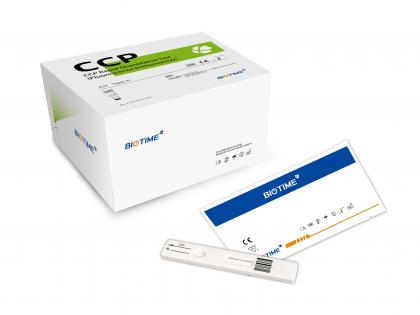
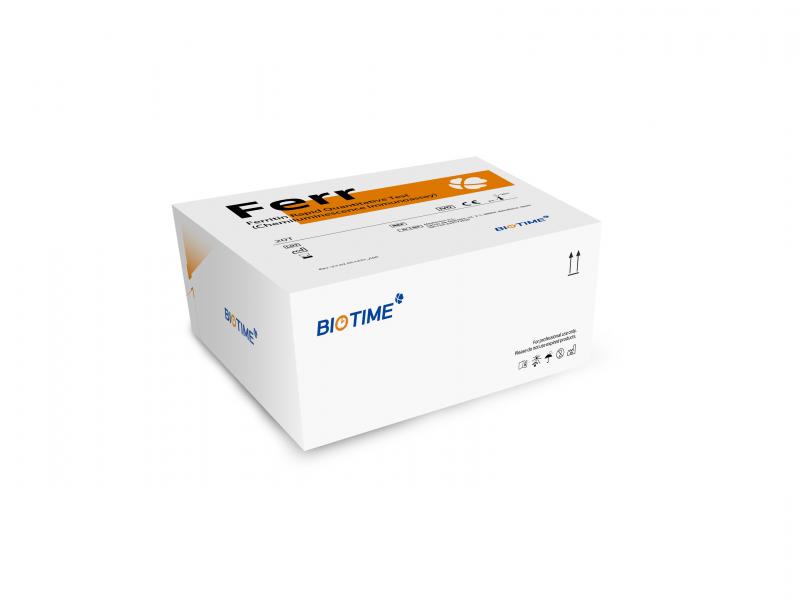
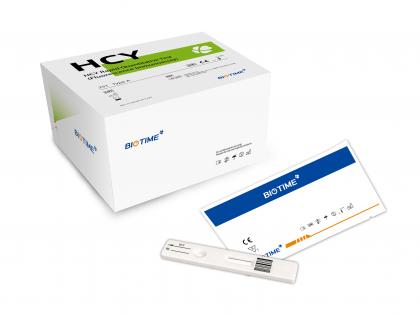
Ferritin Rapid Quantitative Test (Chemiluminescence Immunoassay)

Ferritin Rapid Quantitative Test (Chemiluminescence Immunoassay) is used for in vitro quantitative detection of the Ferritin concentration in human serum, plasma that contains heparin /EDTA and other anticoagulants samples, mainly used for auxiliary diagnosis of malignant tumor or inflammation.

Product Detail

Application

Ferritin is a soluble tissue protein that stores iron in the human body. It is the most iron-rich protein complex, with a molecular weight of about 450,000 and containing 17% to 23% iron. Ferritin exists in various tissues and cells, especially in the liver, spleen, bone marrow, brain, and peripheral blood cells, including red blood cells, white blood cells, and platelets. Normal human serum contains a small amount of ferritin.


Ferritin plays an important dual role in the human body. It serves as a "reservoir" of iron for hemoglobin synthesis, and it also acts as a hollowed-in spherical protein that protects cells from excessive amounts of free iron, which can cause harmful effects.


Certain conditions can lead to increased ferritin levels in the body:

1. Acute infections and inflammatory diseases can promote the production of ferritin, the natural iron storage protein.

2. Hyperthyroidism can also cause ferritin to rise.

3. The increase of ferritin in malignant tumors is due to tumor invasion and necrosis, as well as the reduced ability of the liver to clear ferritin, and the increased synthesis of ferritin in tumor cells.


Specific types of cancer that can increase ferritin levels include:

Acute non-lymphocytic leukemia

Lymphoma

Liver cancer

Pancreatic cancer

Lung cancer


However, esophageal cancer, stomach cancer, colon cancer, and urinary system malignancies do not significantly affect ferritin levels.


Serum ferritin measurement can be used as a therapeutic indicator. Serum ferritin levels decrease in patients with effective treatment, but increase in patients with deterioration and recurrence. Continued increase in ferritin levels is associated with a poor prognosis. Therefore, serum ferritin measurement can be particularly useful for patients with alpha-fetoprotein-negative conditions.


Product Specification

Sample Volume

WB: 20μL; Serum/Plasma: 10μL

Test Time

10 mins

Measuring Range

0.50-1000 ng/mL

Pack

20T40T100T

Storage

2~30


Features

Smart - Photosensitive and Luminescent Microspheres

Rapid - Whole Blood Sample Type Supported & No Centrifuge Needed

Convenient - Room Temperature Storage & Minimal sample consumption


Clinical significance

Iron Deficiency Anemia Diagnosis

Monitoring Iron Status

Evaluation of Fatigue and Weakness

Assessment of Hemochromatosis

Guiding Iron Supplementation

Leave A Message

Please provide us with the information below, and we'll contact you as soon as possible.
Related Products
25(OH) D Rapid Quantitative Test (Chemiluminescence Immunoassay)
25(OH) D Rapid Quantitative Test (Chemiluminescence Immunoassay) is used for in vitro quantitative detection of the 25-hydroxyvitamin D (25 (OH) D) concentration in human serum, plasma that contains heparin /EDTA and other anticoagulants samples, mainly used for auxiliary diagnosis of health check.
TSH Rapid Quantitative Test(Chemiluminescence Immunoassay)
TSH Rapid Quantitative Test(Chemiluminescence Immunoassay) is used for in vitro quantitative detection of the thyroid stimulating hormone concentration in human serum, plasma that contains heparin /EDTA and other anticoagulants and venous whole blood samples, mainly used for auxiliary diagnosis of thyroid diseases.
hs-cTnI Rapid Quantitative Test (Chemiluminescence Immunoassay)
hs-cTnI Rapid Quantitative Test (Chemiluminescence Immunoassay) is used for in vitro quantitative detection of the high sensitivity cardiac troponin I (hs-cTnI) concentration in human serum, plasma that contains heparin /EDTA and other anticoagulants and venous whole blood samples, mainly used for auxiliary diagnosis of cardiac diseases.
CRP Rapid Quantitative Test (Chemiluminescence Immunoassay)
CRP Rapid Quantitative Test (Chemiluminescence Immunoassay) is used for in vitro quantitative detection of the C-reactive proteins (CRP) concentration in human serum, plasma and vein whole blood specimens.
NT-proBNP Rapid Quantitative Test (Chemiluminescence Immunoassay)
NT-proBNP Rapid Quantitative Test (Chemiluminescence Immunoassay) is used for in vitro quantitative detection of the N-terminal pro-B-type natriuretic peptide(NT-proBNP) concentration in human serum, plasma that contains heparin /EDTA and other anticoagulants and venous whole blood samples, mainly used for auxiliary diagnosis of cardiac diseases.
biotime CEA Rapid Quantitative Test
CEA Rapid Quantitative Test
Carcinoembryonic antigen (CEA) is a protein normally found in very low levels in the blood of adults. The CEA blood level may be increased in certain types of cancer and non-cancerous (benign) conditions. A CEA test is most commonly used for colorectal cancer.
biotime PGI PGII Rapid Quantitative Test
PGI/PGII Rapid Quantitative Test
Human pepsinogens I (PGI) and II (PGII) are proenzymes of pepsin—an endoproteinase of gastric juice. PGI is secreted mainly by chief cells in the fundic mucosa, whereas PGII is also secreted by the pyloric glands and the proximal duodenal mucosa. Serum PGI and PGII concentrations and the ratio between PGI and PGII may be related to the histologic and functional status of the gastric mucosa.
Biotime Ferritin Rapid Quantitative Test
Ferritin Rapid Quantitative Test
Ferr is a universal intracellular protein that stores iron and releases it in a controlled fashion. The protein is produced by almost all living organisms, including algae, bacteria, higher plants, and animals. In humans, it acts as a buffer against iron deficiency and iron overload. Ferritin is found in most tissues as a cytosolic protein, but small amounts are secreted into the serum functioning as an iron carrier. Plasma ferritin is also an indirect marker of the total amount of iron stored in the body. Hence serum ferritin is used as a diagnostic test for iron-deficiency anemia.
Leave A Message

Leave A Message

    Please provide us with the information below, and we'll contact you as soon as possible.
Home

products

about

contact