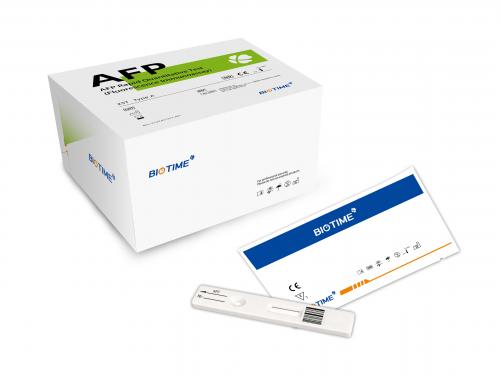
Alpha-fetoprotein (AFP) is a protein produced primarily by the liver in a developing baby (fetus) and the portion of a developing embryo that is similar to the yolk cavity in bird eggs (yolk sac tissues). AFP levels are typically elevated when a baby is born and then decline rapidly.
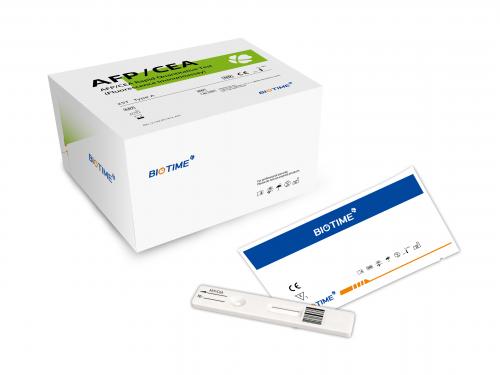
Biotime 2 in 1 (CEA/AFP) test kit has very important guiding significance in the diagnosis of liver cancer and can improve the accuracy of clinical diagnosis.
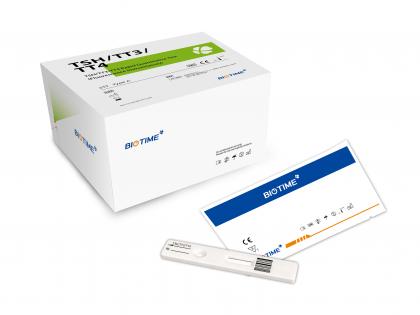
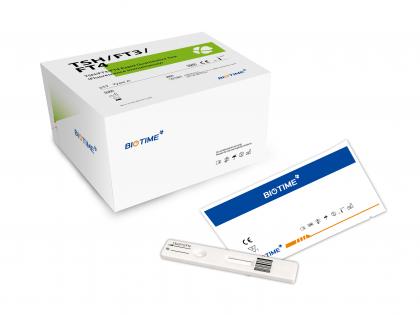
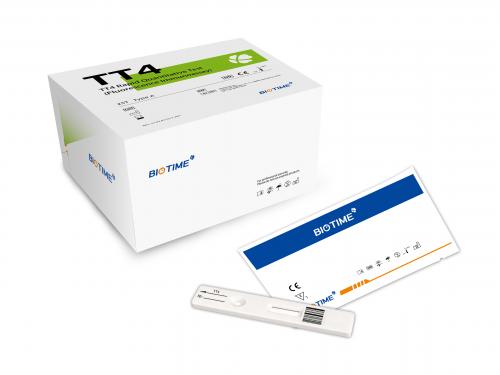
TT4 is the main product of thyroid secretion and is an essential ingredient in the integrity of the hypothalamic-pituitary gland. The TT4 measures can be used for the diagnosis of hyperthyroidism, primary and secondary, and TT4 inhibition of treatment.
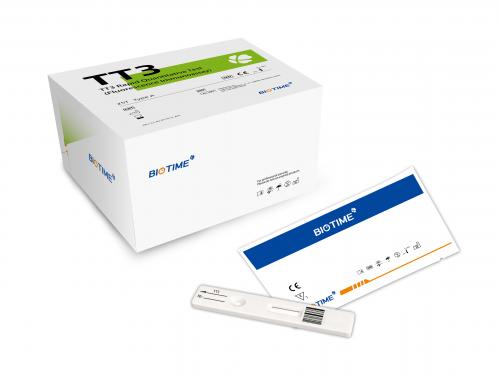
TT3 is the main hormone that thyroid hormone does to various target organs. The serum TT3 concentration reflects the thyroid gland’s ability to function better than the thyroid gland. TT3 is an important indicator of early hyperthyroidism and the monitoring of recurrent hyperthyroidism and pseudo thyrotoxicosis.
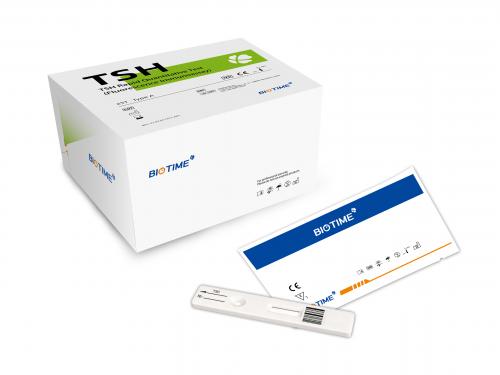
Thyroid stimulating hormone(TSH) is a hormone secreted by adenohypophysis to promote the growth and function of the thyroid gland. The changes of TSH is noted prior to the T4 and T3 for months or years, as is of great value for the diagnosis of thyroid dysfunction and lesions.
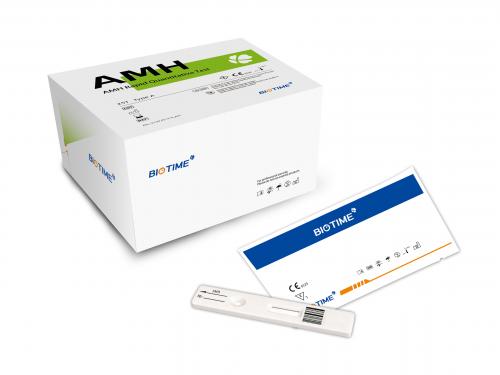
Anti-Mullerian hormone (AMH), also known as Mullerian-inhibiting hormone (MIH), is a glycoprotein hormone structurally related to inhibin and activin from the transforming growth factor beta superfamily, whose key roles are in growth differentiation and folliculogenesis.
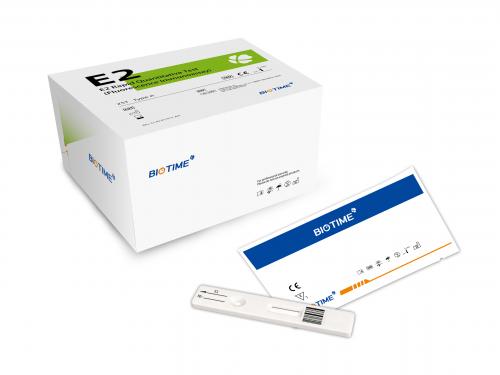
Estradiol (E2), is an estrogen steroid hormone and the major female sex hormone. It is involved in the regulation of the estrous and menstrual female reproductive cycles. Estradiol is responsible for developing female secondary sexual characteristics and is important in the development and maintenance of female reproductive tissues.
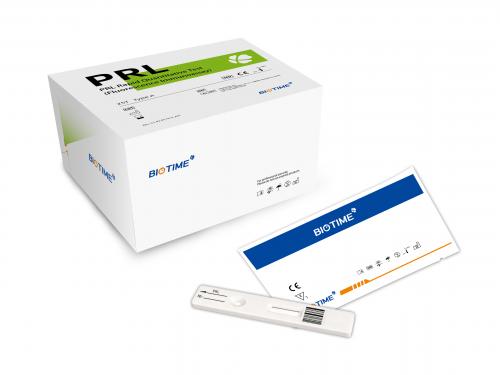
Prolactin is the hormone that tells the body to make breast milk when a person is pregnant or breast-feeding. Production of prolactin takes place in the pituitary gland. For those who are not pregnant or breast-feeding, there are only low levels of prolactin in the body.





 IPv6 network supported