Ferritin Quantitative Test

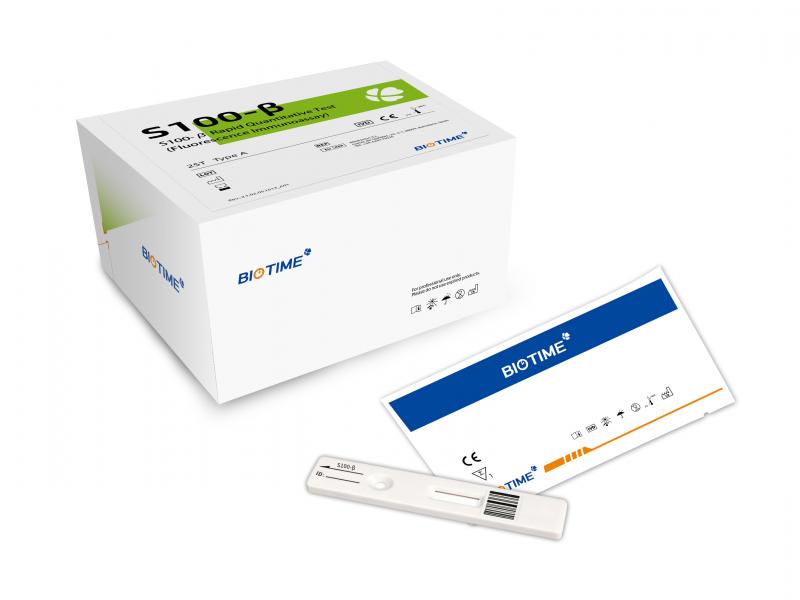
S100-β Rapid Quantitative Test (Fluorescence Immunoassay)


The Biotime S100-β Rapid Quantitative Test is intended to quantify the concentration of S100-β in human serum, plasma, and whole blood on the Biotime FIA Analyzer by fluorescent immunoassay. The test is used as an aid in the detection of neurological injury.


Product Detail

The Biotime S100-β Rapid Quantitative Test is intended to quantify the concentration of S100-β in human serum, plasma, and whole blood on the Biotime FIA Analyzer by fluorescent immunoassay. The test is used as an aid in the detection of neurological injury.


 Specification


Specimen Types

WB/S/P

Sample

S/P: 40μL  WB: 60μL

Reaction Time

10min

Detection Range

0.05~ 10.0ug/L


Clinical Significance of S100-β Protein


S100-β is a specific and sensitive biomarker for central nervous system (CNS) injury.

Indicates CNS damage: Released from neurogliocytes into CSF and blood upon brain injury

Blood-brain barrier integrity: Elevation in blood reflects a disrupted blood-brain barrier

Early detection: Increases rapidly after stroke, trauma, or cardiac arrest

Prognostic value: Correlates with injury severity and neurological outcome

Renal clearance: Metabolized and excreted by the kidneys (consider in renal impairment)


Leave A Message

Please provide us with the information below, and we'll contact you as soon as possible.
Related Products
E2 Rapid Quantitative Test (Chemiluminescence Immunoassay)
E2 Rapid Quantitative Test (Chemiluminescence Immunoassay) is used for in vitro quantitative detection of the Estradiol (E2) concentration in human serum and plasma that contains heparin /EDTA and other anticoagulants and samples, mainly used for auxiliary diagnosis of reproductive hormones diseases.
biotime HCV Rapid Quantitative Test
HCV Rapid Quantitative Test
Hepatitis C is a liver disease caused by the hepatitis C virus (HCV): the virus can cause both acute and chronic hepatitis, ranging in severity from a mild illness lasting a few weeks to a serious, lifelong illness. Hepatitis C is a major cause of liver cancer.
FT3 Rapid Quantitative Test (Chemiluminescence Immunoassay)
FT3 Rapid Quantitative Test (Chemiluminescence Immunoassay) is used for in vitro quantitative detection of the Free triiodothyronine 3 (FT3) concentration in human serum, plasma that contains heparin /EDTA and other anticoagulants and venous whole blood samples, mainly used for auxiliary diagnosis of thyroid diseases.
TSH Rapid Quantitative Test(Chemiluminescence Immunoassay)
TSH Rapid Quantitative Test(Chemiluminescence Immunoassay) is used for in vitro quantitative detection of the thyroid stimulating hormone concentration in human serum, plasma that contains heparin /EDTA and other anticoagulants and venous whole blood samples, mainly used for auxiliary diagnosis of thyroid diseases.
HBP Rapid Quantitative Test (Chemiluminescence Immunoassay)
HBP Rapid Quantitative Test (Chemiluminescence Immunoassay) is used for in vitro quantitative detection of the Heparin binding protein (HBP) concentration in human plasma that contains Sodium Citrate samples, mainly used for auxiliary diagnosis of inflammation diseases.
biotime MAU Rapid Quantitative Test
MAU Rapid Quantitative Test
MAU(Microalbumin) occurs when the kidney leaks small amounts of albumin into the urine, which is an early marker of kidney damage.
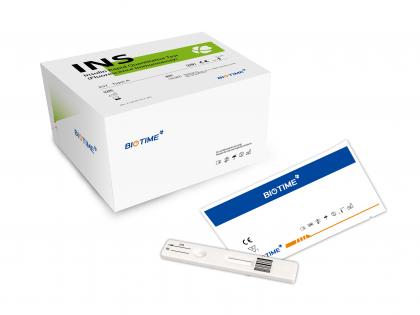
INS Rapid Quantitative Test (Chemiluminescence Immunoassay)
INS Rapid Quantitative Test (Chemiluminescence Immunoassay) is used for in vitro quantitative detection of the Insulin (INS) concentration in human serum, plasma that contains heparin /EDTA and other anticoagulants samples, mainly used for auxiliary diagnosis of diabetes diseases.
Biotime PRL  Rapid Quantitative Test
PRL Rapid Quantitative Test
Prolactin is the hormone that tells the body to make breast milk when a person is pregnant or breast-feeding. Production of prolactin takes place in the pituitary gland. For those who are not pregnant or breast-feeding, there are only low levels of prolactin in the body.
Leave A Message

Leave A Message

    Please provide us with the information below, and we'll contact you as soon as possible.
Home

products

about

contact